Dictionary
The Intersectionality Dictionary explores how language shapes our understanding of power, identity, and justice. Terms like intersectionality, privilege, or decolonization are widely used yet often misunderstood or stripped of their historical roots. This evolving resource goes beyond simple definitions: each entry traces a concept’s origins, examines its theoretical foundations, and reflects on how it appears in public debate today. By approaching words critically, the dictionary reveals the histories and power relations they carry. Designed to be accessible without oversimplifying, it helps students, educators, activists, and curious readers engage more thoughtfully with complex ideas—because understanding the language of power is a step toward challenging and transforming it. ✨
You can check out our dictionary by researching a word or browse the alphabet index.
-

Bodily Autonomy
My body is my own (UNFPA, 2021). Bodily autonomy is the right to control and the freedom to decide about what happens to their…
-

Ethocentrism
Ethnocentrism describes the tendency to view one’s own culture as central and therefore often superior. It involves a preference for one’s own culture –…
-

Human Trafficking
Human trafficking is a term used for a form of extreme exploitation in acts against their will. While ‘labor’ or ‘service’ usually refers to…
-

Victim Blaming
Victim blaming is a social phenomenon in which responsibility for traumatic events is wrongly placed on the victim rather than the offender. This leads…
-
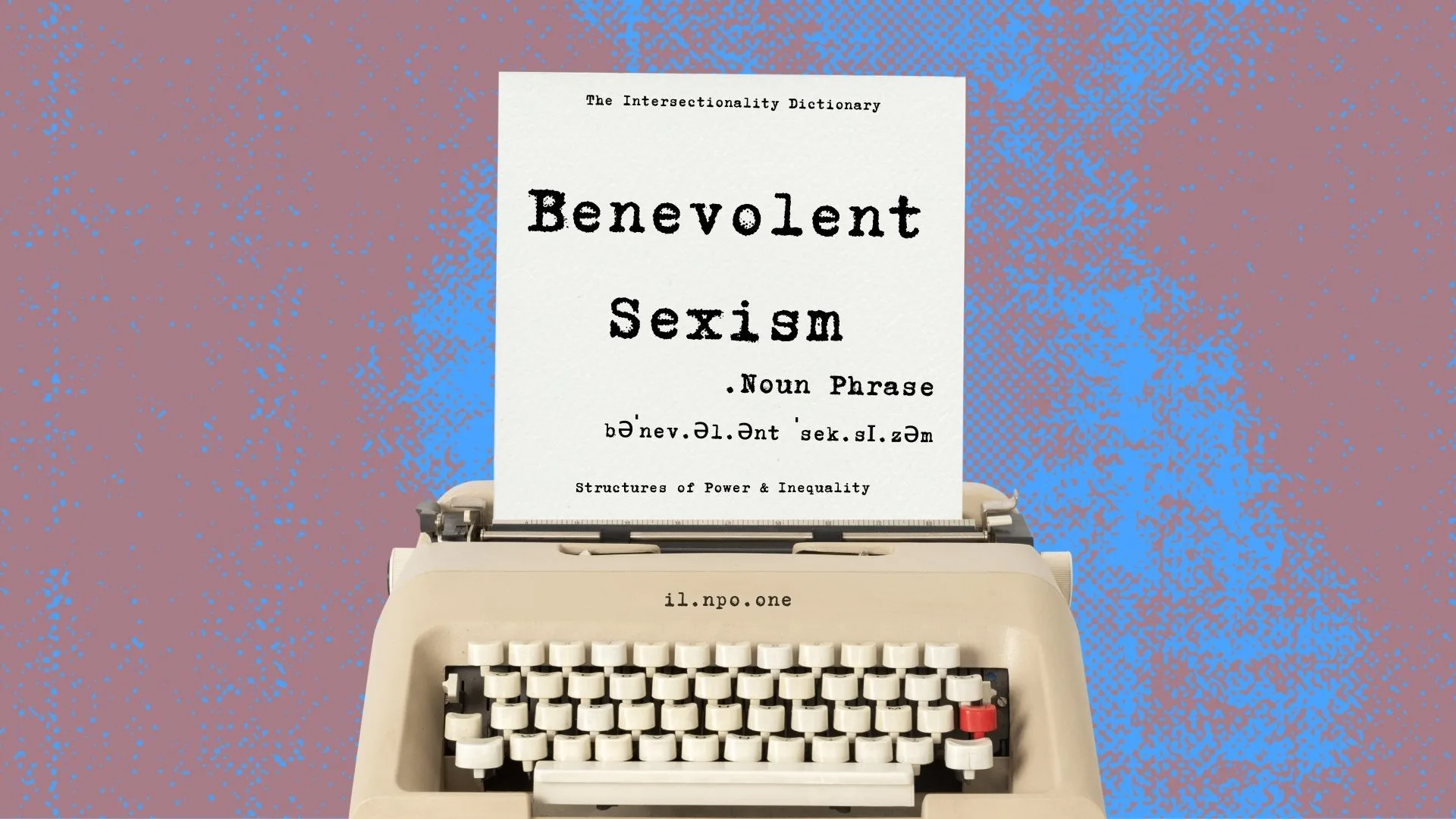
Benevolent Sexism
The theory of ambivalent sexism distinguishes between hostile sexism (HS) and benevolent sexism (BS) (Glick & Fiske, 1996). Benevolent sexism (BS) includes idealizing and…
-

Sexism
Prejudice, stereotyping, or discrimination based on a person’s gender is understood as sexism. It is not limited to prejudice and discrimination against cis women…
-

Internalized Sexism
Internalized sexism refers to the manifestation of sexist beliefs and practices that individuals, regardless of gender, may direct towards themselves or others (Bearman, 2009).…
-
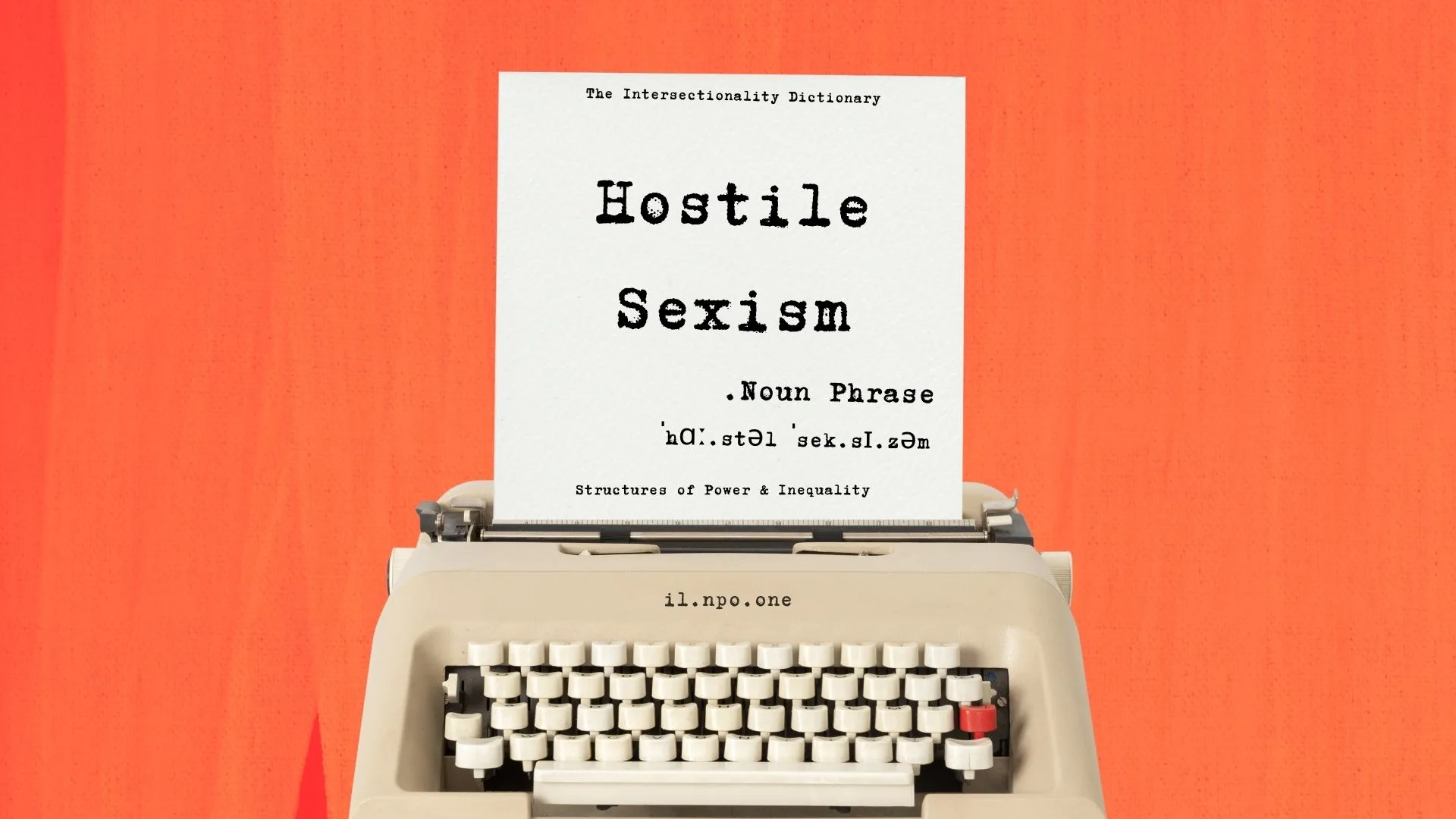
Hostile Sexism
The theory of ambivalent sexism distinguishes between hostile sexism (HS) and benevolent sexism (BS) (Glick & Fiske, 1996). Hostile sexism refers to the attitudes,…
-
Bropropriating
Bropropriating, or bropropriation, is when a woman has an idea that is later appropriated by a man. Perhaps the woman speaks in a meeting…
-
Classical Feminisms
Feminism is a social, political, and ideological movement that seeks to advance the rights and status of all individuals by challenging and dismantling systems…
-
Fourth Wave of Feminism
Framing & Perspectives The fourth wave of feminism began around 2012 and continues to the present day. This wave builds on the achievements of…
-

AFAB/AMAB
AFAB (Assigned Female at Birth) and AMAB (Assigned Male at Birth) are acronyms referring to the gender binary that is imposed on persons at…
-
Third Wave of Feminism
Framing & Perspectives The third wave of feminism began in the early 1990s as a response to the perceived shortcomings of the second wave,…
-
Transgender
Trans* is an umbrella term that encompasses a variety of identities that go beyond traditional gender norms. Transgender (or Trans*) describes individuals whose gender…
-
Trigger Warning
In psychological understanding, a trigger is an event, situation, or impulse that causes a chain reaction in people who have experienced traumatic events, leading…
-
Second Wave of Feminism
Framing & Perspectives The second wave refers to a period of feminist activity that began in the United States in the early 1960s and…
-
Acronym “LGBTQIAPN+”
LGBTQIAPN+ is an acronym that refers to a wide range of sexual and gender diversity. Like individuals, the LGBTQ+ acronyms and definitions are constantly…
-
First Wave Feminism
Framing & Perspectives The first wave refers to the period of feminist activity during the late 19th and early 20th century, primarily in the…
-
Trigger
A trigger in psychological understanding is an event, situation, or impulse that activates a traumatic memory that can lead to a chain of reactions…
-
Waves of Classical Feminism
The first wave (late 19th and early 20th centuries) primarily sought legal rights like women’s suffrage (Evans, 1997). The second wave, from the 1960s…