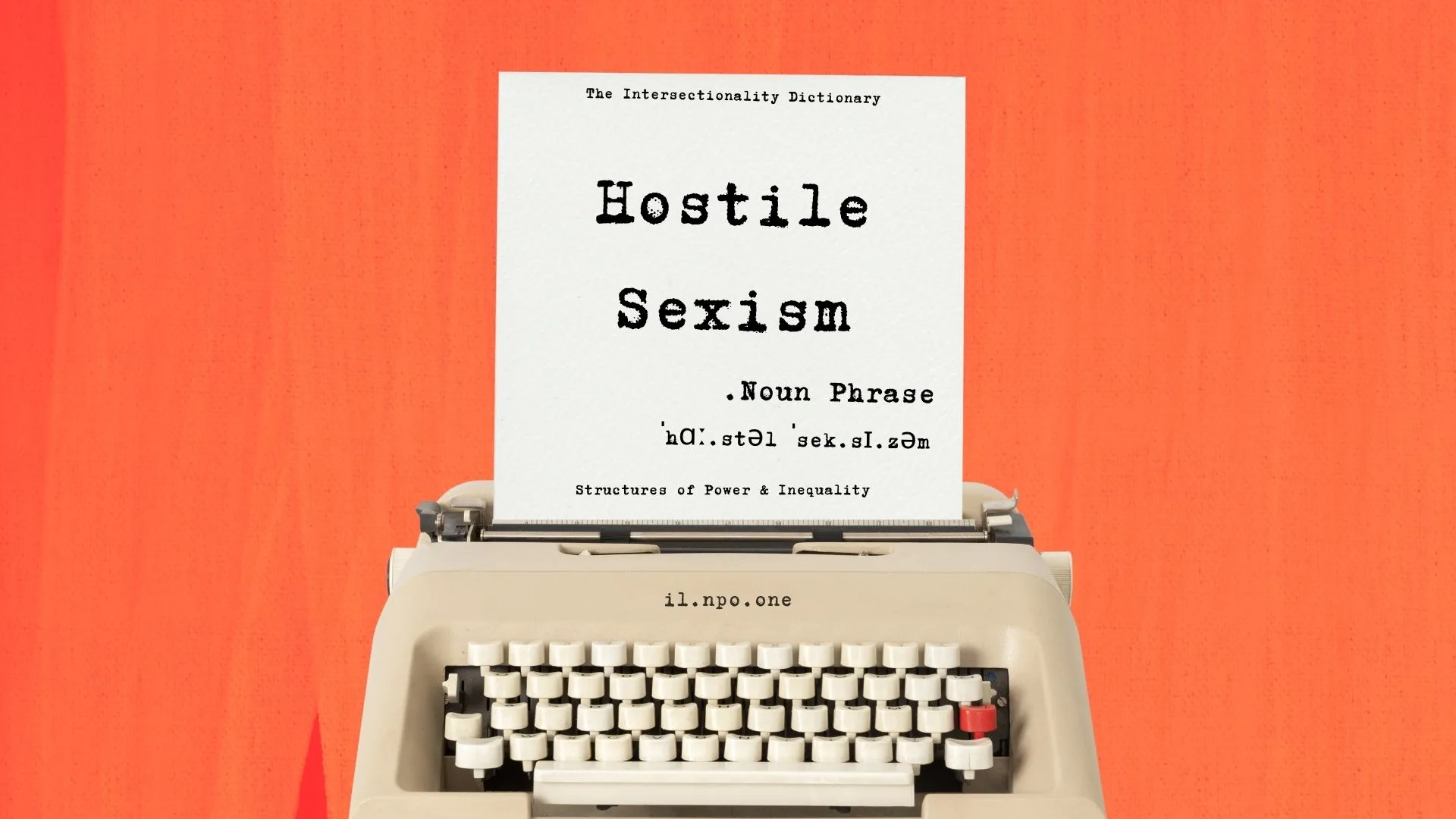
The theory of ambivalent sexism distinguishes between hostile sexism (HS) and benevolent sexism (BS) (Glick & Fiske, 1996). Hostile sexism refers to the attitudes, beliefs, and behaviors that are openly hostile toward a group of people based on their sex or gender (Dictionary.com, n.d.). In general, hostile sexism aligns with classical prejudice definitions, such as misogyny (the hatred of women by men) and the expression of obvious negative evaluations of female-identifying people who challenge traditional gender roles and ideologies (Glick & Hilt, 2000; Barreto & Doyle, 2023).
Framing & Perspectives
Hostile sexism can be traced to colonialism and slavery, where a group’s “lack of competence” legitimized domination without being seen as an exploitative structural power with self-serving justification (Leonard, 2023). Due to its explicit nature, HS is more visible. Through the lenses of people who hold these hostile sexist assumptions, for example, women (which may also apply to anyone with feminine traits and anyone who expresses their gender in a way that is associated with femininity) are manipulative, deceitful, capable of using seduction to control men or needed to be kept in their place (Glick & Fiske, 1996). Three sub-dimensions of hostile sexism are dominative paternalism (justify patriarchy by viewing women as not fully competent adults), competitive gender differentiation (only men are perceived as having traits necessary to govern important social institutions), and heterosexual hostility (the belief that female-centered people use their sexual allure to gain dominance over men) (Glick & Hilt, 2000). Hostile sexism portrays gender relationships as competitive (Barreto & Doyle, 2023). People who perpetuate hostile sexism want to preserve masculine dominance over all other genders. They typically oppose gender equality and LGBTQIA+ rights, seeing these things as a threat to men and the systems that benefit them (Leonard, 2023).
Relevance
How do we detect hostile sexism? Common examples may be: using sexist language and insults, making threatening or aggressive comments based on a person’s gender or sex, harassing or threatening someone for defying gender norms (online or offline), treating people as subordinates based on their sex or gender, and punishing them when they “step out of the line”, believing that victims of sexual assault “ask for it” due to their behavior or clothing, or even engaging in physical or sexual assaults (Leonard, 2023). Hostile sexism is a risk factor for sexual harassment, abuse in relationships, and gender-based violence (Leonard, 2023).
Keywords: Gender Equality, Patriarchy, Male Dominance, Sexism, Gender, Prejudice, Discrimination
Connected terms: Benevolent Sexism, Internalized Sexism, Gendered Ageism, Microaggressions, Victim Blaming, Gender-Based Violence, “Toxic” Masculinity
References
Ambivalent sexism. In Dictionary.com. Retrieved April 3, 2023, from https://www.dictionary.com/browse/ambivalent-sexism
Barreto, M. & Doyle, D.M. (2022). Benevolent and hostile sexism in a shifting global context. Nature Reviews Psychology 2, 98-111 (2023). https://doi.org/10.1038/s44159-022-00136-x
Glick, P., & Fiske, S. T. (1996). The Ambivalent Sexism Inventory: Differentiating hostile and benevolent sexism. Journal of Personality and Social Psychology, 70(3), 491-512. https://doi.org/10.1037/0022-3514.70.3.491
Glick, P., & Hilt, L. (2000). Combative children to ambivalent adults: The development of gender prejudice. In T. Eckes & H. Trautner (Eds.), The Developmental Social Psychology of Gender (pp. 243–272). Lawrence Erlbaum Associates.Leonard, J. (2023). 6 Types of sexism. In Medical News Today. Retrieved December 2024, from https://www.medicalnewstoday.com/articles/types-of-sexism#benevolent