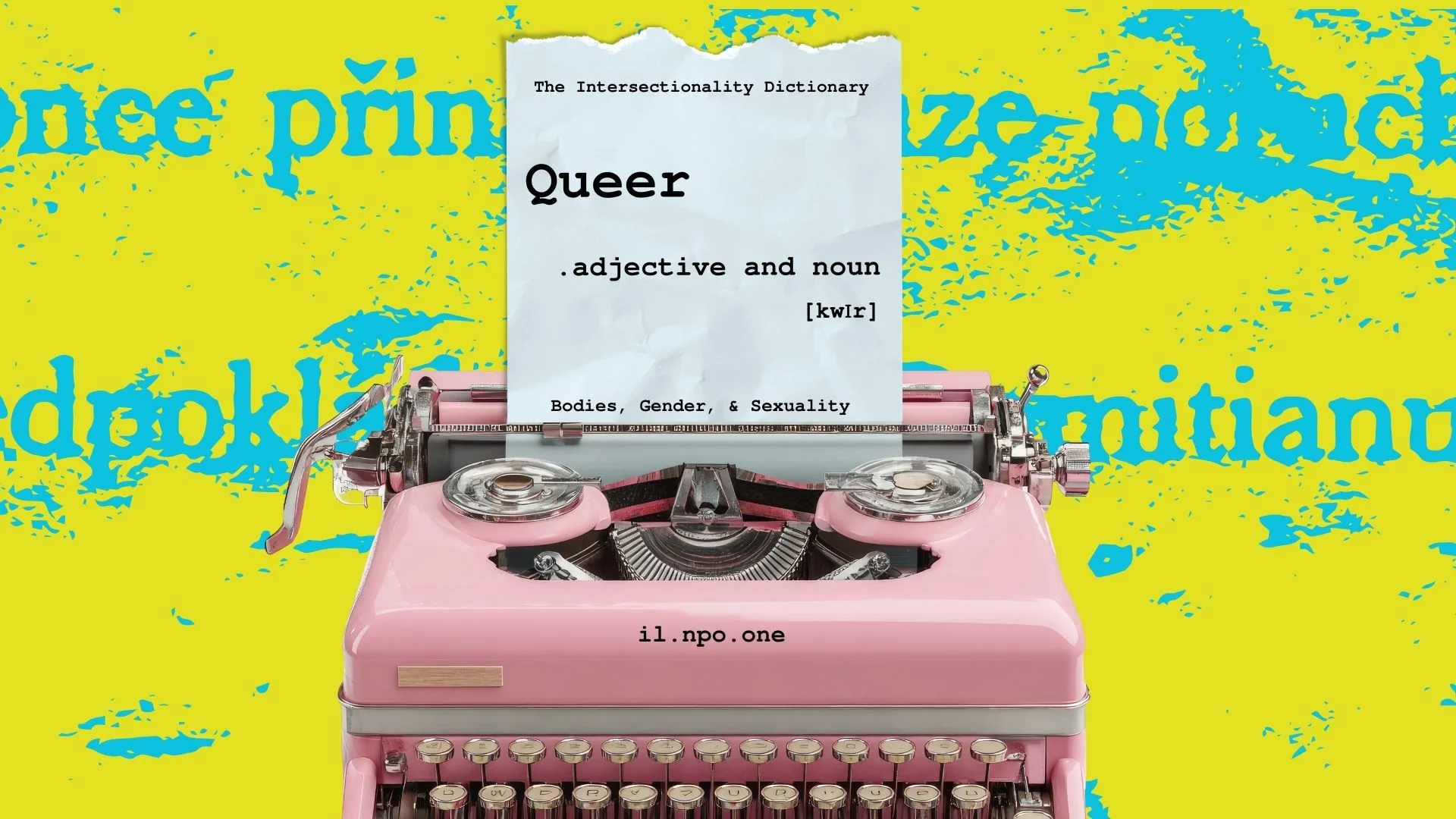
Queer is a term used to express a spectrum of sexual orientations and gender expressions that oppose the mainstream. Due to that, Queer portrays a political ideology as it focuses on liberating all intersectional oppressed groups. Once a slur, it has been reclaimed by LGBTQ+ movements and now serves as an umbrella term for sexual and gender diversity (Clark & Engle, 2023; Planned Parenthood, n.d.).
Framing & Perspectives
Queer refers to diverse sexual orientations like gay, lesbian, bisexual, or asexual, as well as gender experiences such as transgender or non-binary, making it an inclusive term for sexually and gender-diverse individuals (Queer. Glossary of Terms – Human Rights Campaign, n.d.). While LGBTQIAA+ individuals may not share the same political views, identifying as Queer implies a specific political perspective. Cathy Cohen’s 1997 work “Punks, Bulldaggers, and Welfare Queens: The Radical Potential of Queer Politics?” describes that Queer includes any socially deviant identity, focusing on collective liberation (Boellstorff, 2007).
Important to note that the term sometimes has an unpleasant connotation for some people, as it was used exclusively as a slur from the 19th century until a couple of decades ago (Clark & Engle, 2023). It is crucial to remember the harmful history attached to this term and the fact that LGBTQIAA+ people might still take offense to the usage of the word. Recently, LGBTQ+ movements have been reclaiming the term from its previous connotation, as the word has begun to take on a new inclusive meaning. Thus, it is argued that the term queer tends to combine too many single and different experiences and individuals. Creating strict categories for diverse sexual orientations and genders might result in the marginalization of certain individuals who do not fit into specific divisions (Boellstorff, 2007).
Relevance
The adoption of an umbrella term such as queer allows for a more inclusive understanding of sexual and gender diversity. As Queer becomes more popular, it is crucial to remember its roots and avoid whitewashing its history, ensuring it remains a term representing the fight for equality for all marginalized groups. Recognizing the privilege of identifying as Queer today involves pushing for liberation over assimilation and preserving its rich history (Vargas, 2023; Queer as a Political Identity – Sierra Moore, 2022).
Keywords: LGBTQ+ Topics, Sexual Orientation, Gender Expressions, Political Ideology, Umbrella Term, Sexual and Gender Diversity
Connected terms: Acronym “LGBTQIAPN+”, Transgender, AFAB/AMAB, Asexual, Bisexual, Demisexual, Pansexual, Aromantic, Androsexual
References
Boellstorff, T. (2007). Queer studies in the house of anthropology. Annual Review of Anthropology, 36, 17-35.
Clark, C., & Engle, G. (2023, April 27). What does “queer” mean? Experts explain what it means to identify with this identity label. Women’s Health. https://www.womenshealthmag.com/sex-and-love/a22652248/what-does-queer-mean/
Planned Parenthood. (n.d.). What does queer mean? Retrieved November 8, 2023, from https://www.plannedparenthood.org/learn/teens/sexual-orientation/what-does-queer-mean#:%7e:text=Queer%20is%20a%20word%20that,identify%20with%20the%20word%20queer
Queer. Glossary of Terms – Human Rights Campaign. Retrieved 26th July, 2024 from https://www.hrc.org/resources/glossary-of-terms
Queer as a Political Identity – Sierra Moore (2022), HerCampus. Retrieved 26th July, 2024 from https://www.hercampus.com/school/cwu/queer-as-a-political-identity/
Vargas, A. (2023, June 2). What does “queer” mean? The LGBTQ+ term has a long history. Parade. https://parade.com/living/queer-meaning