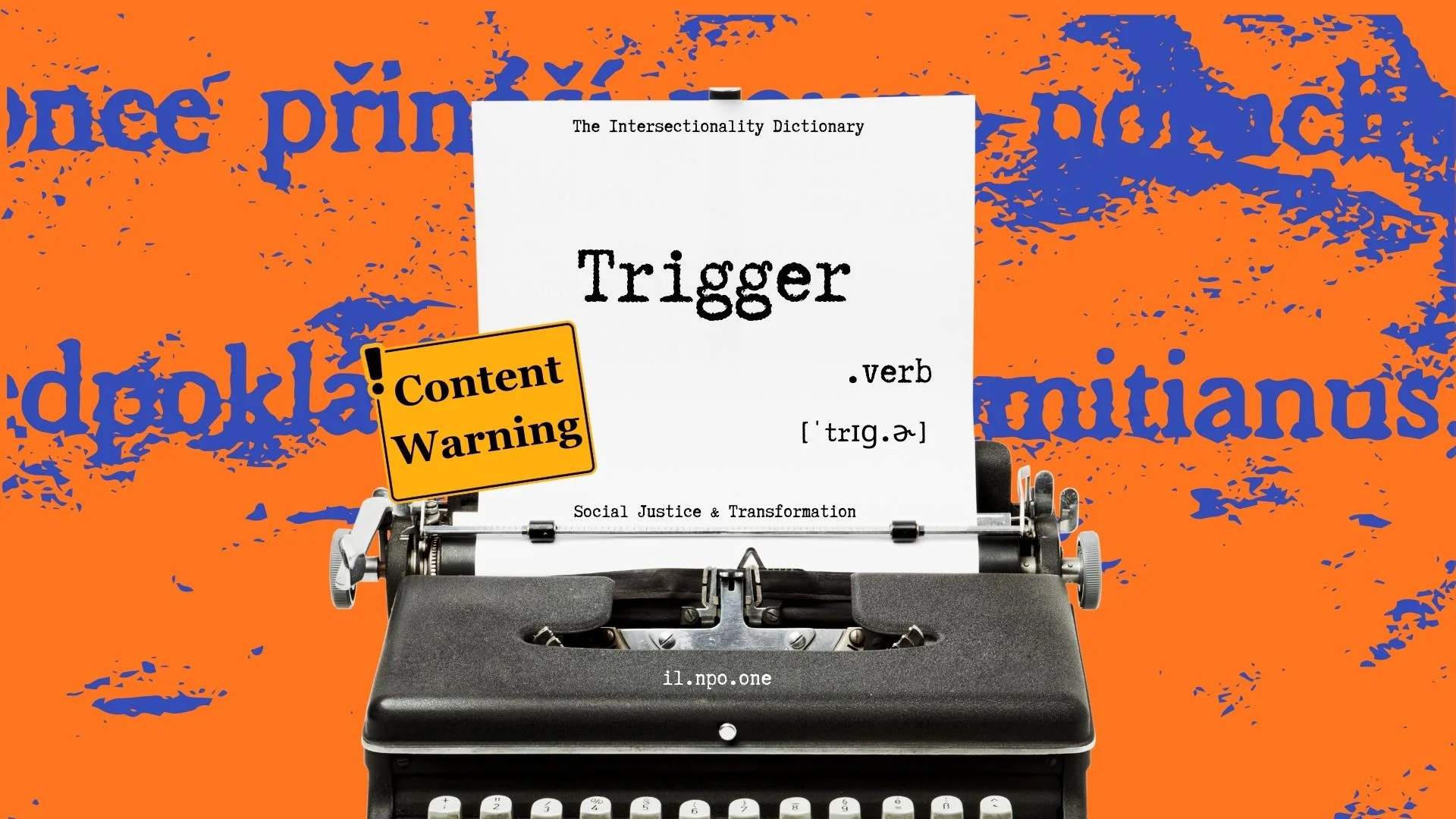
A trigger in psychological understanding is an event, situation, or impulse that activates a traumatic memory that can lead to a chain of reactions with strong emotions (e.g., fear, shock, anger) or even a physical reaction (e.g., nausea, sweating, trembling, physical pain, freezing in motion, etc.) (Trigger – Cambridge Dictionary, n.d.; APA, 2018). This entry does not include a detailed description of any potentially triggering material.
Framing & Perspectives
By not giving specific examples of possible traumatic experiences, this post ensures that reading it avoids triggering any distressing memories or flashbacks. In mental health terms, these reactions are based on traumatic experiences a person had, e.g., being a victim of violence, or indirectly, e.g., observing violence (Healthline, 2019). A trigger can be anything that might rely on this experience and remind the person of the trauma. For instance, a graphic image of violence can be a trigger for a person who experienced violence. Sometimes, more hidden things can trigger, including songs, smells, or even colors – depending on one’s experience (Trigger – Cambridge Dictionary, n.d.).
When a person feels triggered by something, the emotional state can be extremely overwhelming or distressing. The experience feels very real to the person and sometimes causes a flashback of the experienced situation and activates old thought patterns and behavior. Consequently, it might limit the person’s ability to stay present in the moment. Many people living with post-traumatic stress disorder (PTSD) experience triggers in their daily lives, as well as people with substance use disorders and many more (Trigger (verb) Definition – Macmillan Dictionary, n.d.). For some people, it is helpful to know their triggers so that they can recognize them and either avoid them or learn to deal with them. However, not everyone who experiences something potentially traumatic develops residual trauma or triggers. It can be influenced by the age during the traumatic event, underlying mental health conditions, family history, access to support networks, or cultural or religious beliefs (Healthline, 2019).
Relevance
The concept has started popping up frequently in casual conversation and mainstream media, leading to confusion and debates around triggers. For a respectful and appropriate recognition of this issue, it is necessary to distinguish between discomfort and trauma. Even though these topics can be unpleasant, offensive, or distasteful, for a lot of people, certain things do not trigger flashbacks, dissociations, or other distressing emotional experiences (Healthline, 2019).
Keywords: Traumatic Memory, Emotional Reaction, Physical Reaction, PTSD
Connected terms: Trigger Warning
References
Trigger – APA Dictionary. Retrieved July 29, 2024, from https://dictionary.apa.org/trigger
Trigger – Cambridge Dictionary. Retrieved January 10, 2023, from https://dictionary.cambridge.org/dictionary/english/trigger
Trigger (verb) Definition – Macmillan Dictionary. Retrieved January 10, 2023, from https://www.macmillandictionary.com/dictionary/british/trigger_1
What really means to be triggered – Healthline. Retrieved January 10, 2023, from https://www.healthline.com/health/triggered#trigger-warning-debate